Expert Pressure Washing Practices for Historic Homes in Johns Creek
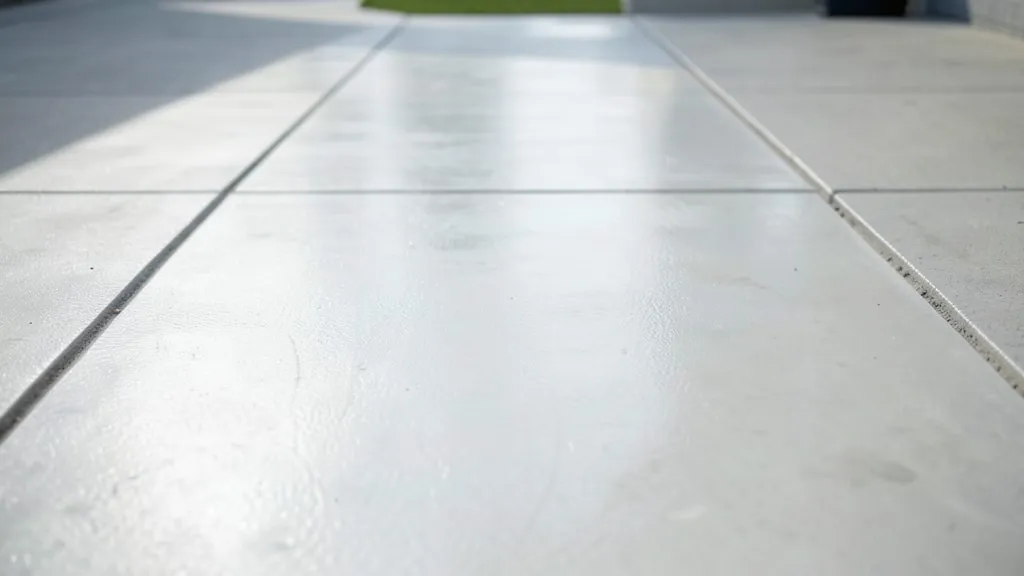
Historic homes in Johns Creek demand a gentle yet effective approach to pressure washing. Our team specializes in preserving the integrity of aged materials while restoring curb appeal. Improper techniques can cause irreversible damage, so expertise matters.
Why Historic Homes Need Specialized Pressure Washing
Older homes often feature delicate materials like aged wood, handmade brick, or original plaster. Standard high-pressure washing can strip paint, erode mortar, or crack weathered surfaces.
Johns Creek’s humid subtropical climate accelerates mold, mildew, and algae growth, which cling stubbornly to porous historic facades. A tailored approach ensures these contaminants are removed without harm.
Soft Wash vs. Traditional Pressure Washing
Soft washing uses low-pressure water (under 500 PSI) combined with specialized, biodegradable detergents to lift dirt and organisms without damaging surfaces. It’s ideal for historic wood siding, cedar shakes, and aged stucco.
Traditional pressure washing relies on high PSI (2,000–4,000) to blast away grime, which can be safe for concrete driveways or modern brick but risks harming softer, older materials.
| Method | Pressure Range | Best For | Risk to Historic Materials |
|---|---|---|---|
| Soft Wash | < 500 PSI | Wood siding, cedar shakes, stucco, roofs | Low |
| Traditional Pressure Washing | 2,000–4,000 PSI | Concrete, modern brick, stone | High |
Common Contaminants on Johns Creek Historic Homes
Mildew and algae thrive in the area’s warm, moist air, leaving black or green streaks on north-facing walls and shaded areas. These aren’t just unsightly—they can trap moisture and accelerate wood rot.
Efflorescence, a white chalky residue, often appears on brick or masonry as salts leach to the surface. It requires careful cleaning to avoid damaging the underlying material.
Dirt and pollen buildup, common in spring and fall, can dull paint and clog gutters. Regular cleaning prevents long-term staining.
Materials That Require Extra Care
Wood siding and cedar shakes are highly susceptible to water damage. Soft washing with a mild detergent is the safest method to avoid splintering or warping.
Handmade or historic brick can erode under high pressure. We use gentle techniques and pH-balanced cleaners to lift grime without compromising mortar joints.
Older windows, especially single-pane or leaded glass, can crack under pressure. We often recommend hand-washing or ultra-low-pressure methods for these features.
High-pressure washers in untrained hands can strip paint, gouge wood, or dislodge historic masonry. Always consult a professional for irreplaceable surfaces.
Seasonal Considerations for Johns Creek
Spring is ideal for removing winter grime and pollen, but avoid pressure washing during heavy rain seasons to prevent water intrusion.
Summer’s heat can cause cleaning solutions to dry too quickly, reducing their effectiveness. Early morning or late afternoon jobs yield the best results.
Fall cleaning removes leaves and debris before they trap moisture against surfaces. Winter washing is rare here but may be needed after storms to prevent ice damage.
Related Services to Protect Your Historic Home
Roof washing with a soft wash system removes algae and moss without damaging shingles. This is critical for historic homes with original or aged roofing materials.
Deck and fence cleaning restores wood surfaces while preventing rot. We use low-pressure methods and sealants to extend the life of these features.
Gutter cleaning prevents water overflow, which can damage fascias and foundations. Clogged gutters are a common issue in tree-lined neighborhoods like those in Alpharetta and Roswell.
What to Expect During a Professional Cleaning
Our team begins with a thorough inspection to identify delicate materials, existing damage, and the types of contaminants present.
We then select the appropriate pressure level, detergents, and techniques. For example, a home in Peachtree Corners with original brick may require a different approach than a wood-sided house in Cumming.
Post-cleaning, we inspect the work to ensure no damage occurred and that all stains and growths have been addressed. Follow-up maintenance recommendations are provided.
Pre-Cleaning Homeowner Checklist
- Remove or cover outdoor furniture and decorations
- Close and lock all windows and doors
- Trim back overgrown shrubs or vines near the house
- Point out any known weak spots or previous damage
How to Maintain Your Historic Home Between Professional Cleanings
Keep your home looking its best and minimize damage with these simple steps.
- 1Inspect Regularly
Check for signs of mold, mildew, or algae growth, especially after heavy rains or humid spells. Early detection makes cleaning easier.
- 2Clear Debris
Remove leaves, twigs, and dirt from gutters, downspouts, and window wells to prevent moisture buildup and staining.
- 3Use Gentle Cleaning Methods
For small areas, use a soft-bristle brush and mild soap with water. Avoid harsh chemicals or scrubbing, which can damage surfaces.
- 4Address Stains Promptly
Blot (don’t rub) fresh stains like bird droppings or pollen with a damp cloth. For tougher stains, call a professional.
- 5Monitor Paint and Sealants
Peeling paint or cracked sealants can expose wood or masonry to moisture. Touch up these areas to prevent long-term damage.
Frequently Asked Questions
Is pressure washing safe for my 100-year-old home in Johns Creek?
It can be, but only with the right techniques. Soft washing is almost always the safest choice for historic homes. We assess your home’s materials and condition to determine the best method. Never assume a one-size-fits-all approach.
How often should I pressure wash my historic home?
Most historic homes in our area benefit from a professional cleaning every 12–18 months. However, homes in shaded or wooded areas, like those near Chattahoochee River parks, may need more frequent attention due to faster buildup of organic growth.
Can pressure washing remove lead paint from my older home?
Pressure washing alone is not a safe or effective method for lead paint removal. This requires specialized lead abatement techniques to avoid creating hazardous dust. We can connect you with providers in Alpharetta or Roswell for this work.
What’s the difference between pressure washing and power washing?
Pressure washing uses cold water, while power washing uses heated water. The heat in power washing can help remove tough stains like grease or chewing gum but isn’t always necessary for historic homes. We typically use pressure washing for most residential jobs.
Do you offer pressure washing for commercial historic buildings in Johns Creek?
Yes, we provide commercial pressure washing for historic storefronts, offices, and municipal buildings. Our methods comply with preservation guidelines and local regulations, ensuring the integrity of these structures is maintained.
Will pressure washing damage my home’s original brickwork?
Not if done correctly. We use low-pressure settings and pH-neutral cleaners specifically designed for masonry. High pressure or acidic cleaners can erode mortar and pit the brick surface, so professional expertise is key.