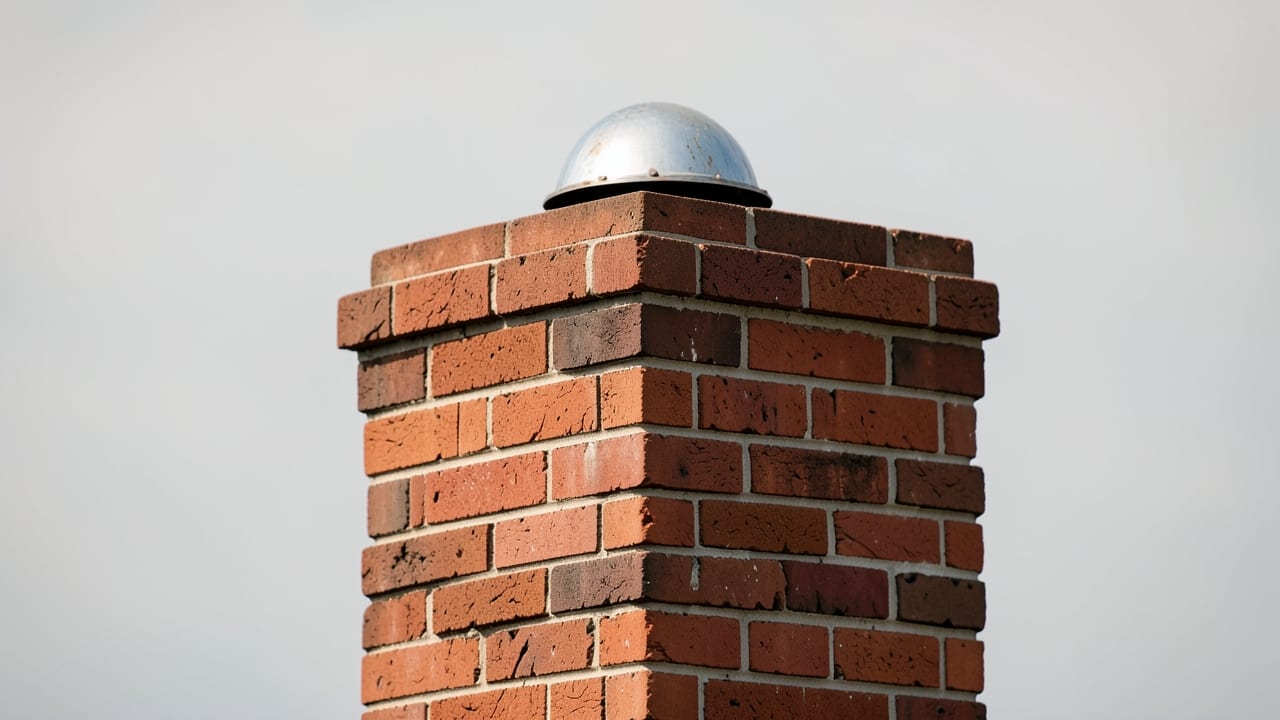
Chimney Exterior Cleaning
Pressure washing to remove soot, dirt, and stains from chimney exteriors.
Chimney exterior cleaning in Johns Creek, GA, uses pressure washing to remove soot, dirt, and mineral deposits from brick, stone, or metal surfaces. This service restores your chimney’s appearance and helps prevent long-term damage from grime buildup, algae, or efflorescence.
Local conditions—like humidity and runoff from nearby trees—can accelerate staining, making regular cleaning essential for maintaining masonry integrity.
We also handle Driveway & Concrete Cleaning and Roof Washing (Soft Wash) for Johns Creek properties.
When your chimney needs cleaning
A chimney’s exterior often hides signs of damage beneath layers of dirt and stains. Greenish or black films on shaded sides are usually algae or mildew, while white, chalky patches indicate efflorescence—a mineral deposit from moisture moving through the masonry.
Dark staining concentrated below downspouts or rooflines points to repeated runoff carrying dirt to one spot.
Mortar joints that appear recessed or crumble slightly under gentle pressure are another red flag. These signs suggest deterioration that requires careful cleaning to avoid accelerating further damage.
If you notice any of these issues, a professional inspection can determine whether cleaning alone will address the problem or if repairs are needed first.
Signs Your Chimney Needs Cleaning
- White, chalky haze (efflorescence) on brick or stone, especially after rain
- Greenish or black film (algae/mildew) on shaded sides of the chimney
- Dark staining directly below downspouts or rooflines from repeated runoff
- Mortar joints that look recessed or crumble slightly when touched
- Visible soot or dirt buildup that hasn’t faded after a few weeks of dry weather
What affects pricing and timing
The size and material of your chimney—brick, stone, or metal—play a key role in how long cleaning takes and what methods are safest. Older or softer brick requires lower pressure to avoid pitting, while metal chimneys may need a different approach entirely.
The presence of algae, efflorescence, or severe staining also extends the job, as these require additional treatments beyond basic pressure washing.
Accessibility matters too. Chimneys with complex shapes, nearby trees, or rooflines close to the top may require extra time and safety precautions. Scheduling around weather is critical: cleaning right before a cold snap can trap moisture in the masonry, leading to freeze-thaw damage.
A professional will assess these factors before providing an estimate.
| Factor | Impact on Pricing/Timing |
|---|---|
| Chimney Material | Softer brick or stone takes longer and uses lower pressure; metal chimneys may require specialized cleaning. |
| Severity of Stains | Efflorescence or algae adds time for treatment; mild dirt buildup is faster. |
| Chimney Height/Access | Taller or harder-to-reach chimneys increase labor and safety time. |
| Weather Conditions | Avoiding cold snaps prevents moisture trapping; scheduling flexibility may adjust cost. |
| Pre-Existing Damage | Crumbling mortar or pitting may require repairs before or after cleaning. |
Why cleaning matters beyond appearance
Pressure washing isn’t just about restoring your chimney’s look—it’s about protecting the masonry itself. Built-up grime traps moisture, which can seep into brick or stone and cause efflorescence or even structural weakening over time.
Algae and mildew, if left untreated, can penetrate the material, making it more porous and prone to further damage.
Regular cleaning also helps identify issues early. For example, cleaning often reveals mortar joints that are already deteriorating, allowing you to address them before they lead to larger problems.
Additionally, sealing the chimney after cleaning—with a vapor-permeable product—can reduce how much water and dirt the masonry absorbs in the future, helping the finish last longer.
Using high-pressure settings straight into mortar joints accelerates erosion, costing more in repairs than the cleaning itself. Washing right before freezing temperatures can trap moisture in the masonry, leading to cracks from freeze-thaw cycles. Always choose a method tailored to your chimney’s material and condition.
How chimney exterior cleaning works
- 1Inspect Mortar and Material
The technician checks mortar joints for crumbling or recession and assesses the brick or stone’s hardness. Softer materials require lower pressure to avoid pitting or surface damage.
- 2Apply Masonry-Safe Solution
A chemical treatment is applied to break down efflorescence, algae, and organic stains without scrubbing, which can harm softer surfaces. This step is especially critical for older or naturally porous masonry.
- 3Pressure Wash at Safe Settings
Low-to-medium pressure is used across the brick face—not directly into joints—to remove dirt and residue. Corners, edges, and joint lines are finished with reduced pressure to protect weakened areas.
- 4Rinse and Re-Inspect
The chimney is rinsed to clear loosened debris, and mortar joints are checked again for hidden deterioration. Wet joints reveal damage more clearly than dry ones.
- 5Apply Vapor-Permeable Sealer (Optional)
A breathable sealer can be applied to reduce future moisture absorption while allowing trapped moisture inside the masonry to escape. This step helps maintain results longer.
Frequently asked questions
Will pressure washing damage my chimney’s mortar or brick?
Not if done correctly. Technicians use low-to-medium pressure and avoid directing the spray straight into mortar joints, which can erode them faster. Softer brick or stone may require even gentler settings to prevent pitting or surface loss.
How often should I clean my chimney’s exterior?
Most chimneys benefit from cleaning every 1–3 years, depending on exposure to weather, nearby trees, and how quickly stains or algae return. Regular inspections can help determine the best interval for your specific chimney.
Can I clean my chimney myself with a pressure washer?
DIY cleaning risks damaging mortar, brick, or stone if pressure settings or techniques are incorrect. Professional technicians assess material condition first and use methods tailored to your chimney’s age and composition.
What’s the difference between efflorescence and regular dirt on my chimney?
Efflorescence is a white, chalky mineral haze caused by moisture moving through masonry, while dirt is typically darker and surface-level. Efflorescence often reappears if the underlying moisture issue isn’t addressed, whereas dirt can usually be removed with proper cleaning.
Where Johns Creek sits, and what the Census lists nearby
Johns Creek sits in Georgia, and the closest places listed in the U.S. Census Gazetteer are Berkeley Lake (3.7 miles south), Duluth (3.7 miles southeast), Alpharetta (4.7 miles northwest), Peachtree Corners (4.8 miles south).
Within 25 miles of Johns Creek the same source lists 58 distinct incorporated places and census-designated places.
Those figures matter for chimney exterior cleaning because they are straight-line distances between Census coordinate points: road mileage between Johns Creek and Berkeley Lake runs longer than the 3.7 miles shown, which is why quotes for the same job differ between towns that look close together on a map.
Source: U.S. Census Bureau Gazetteer.
See Cumming, GA for more, or discover the pressure washing work we do around Johns Creek in detail for our complete lineup.
Ready to get started?
Talk to a local pressure washing pro in Johns Creek — get a written quote.
Other Pressure Washing Services in Johns Creek
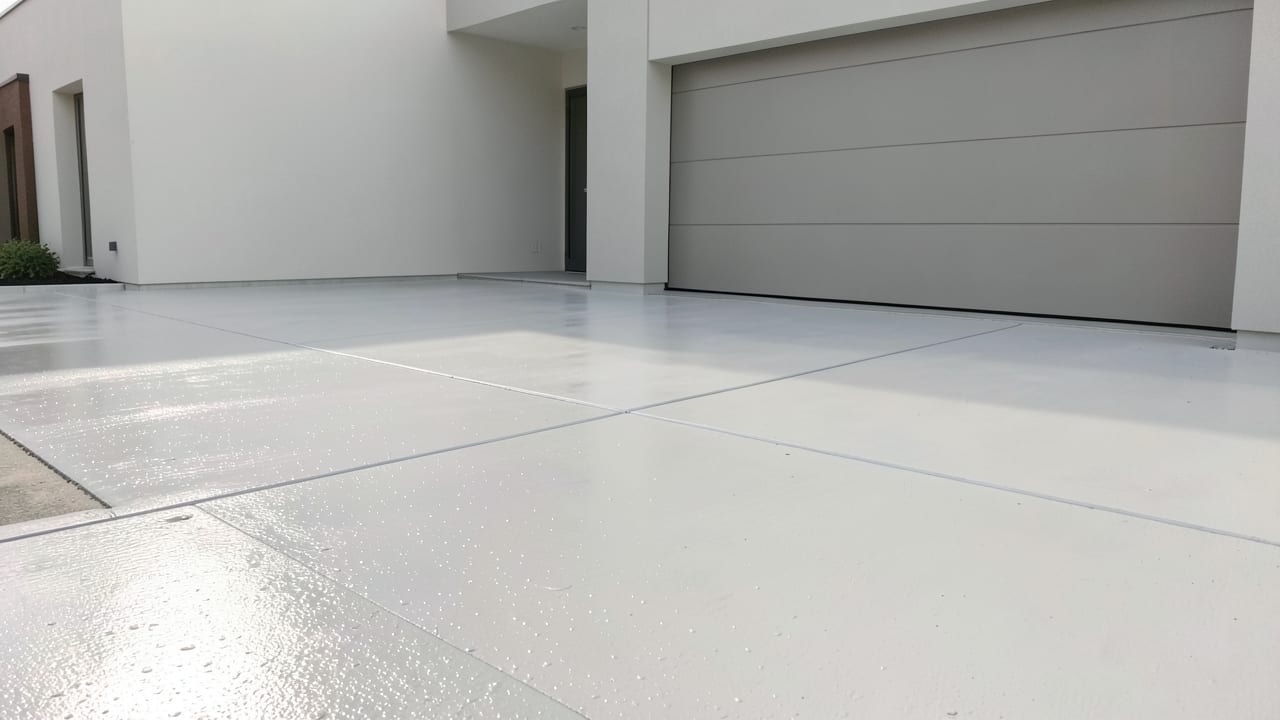
Driveway & Concrete Cleaning in Johns Creek, GA
Pressure washing for driveways, walkways, and patios in Johns Creek, GA — lifts oil stains, tire marks, and algae, mildew, and pollen film from concrete.
Learn More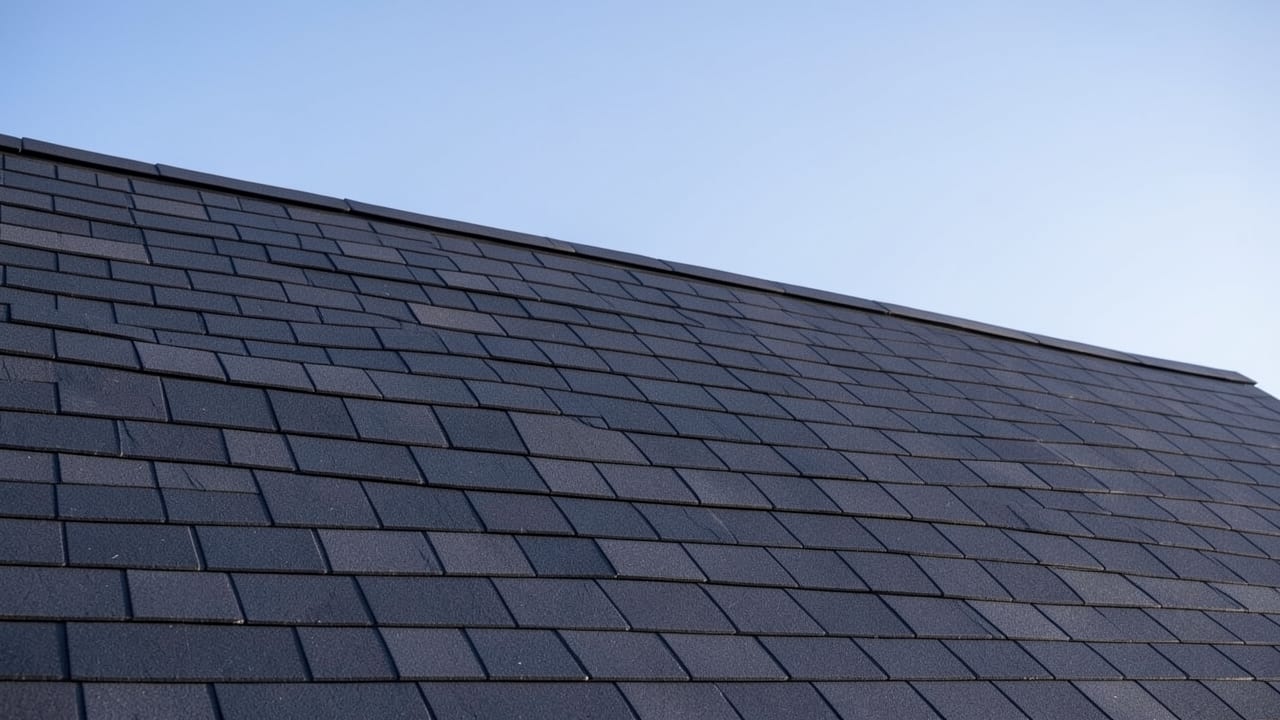
Roof Washing (Soft Wash) in Johns Creek, GA
Low-pressure soft-wash roof cleaning in Johns Creek, GA removes algae streaks without damaging shingles.
Learn More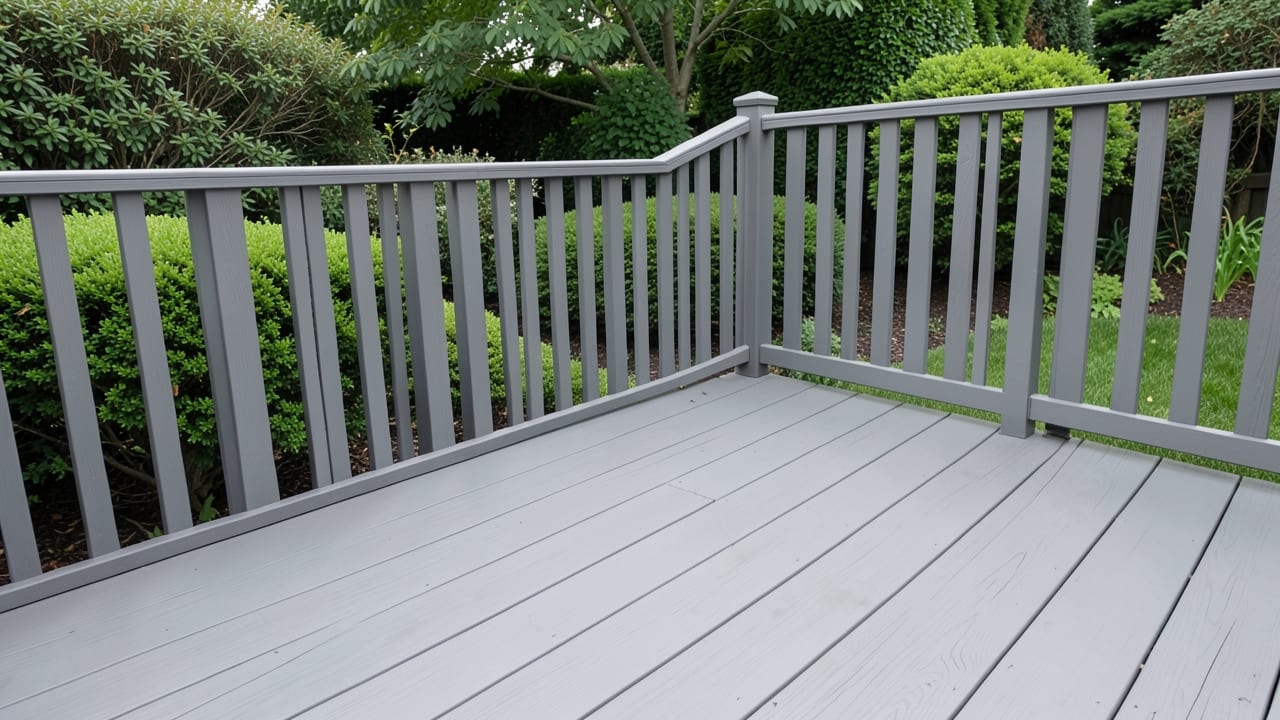
Deck & Fence Cleaning in Johns Creek, GA
Wood and composite deck and fence cleaning in Johns Creek, GA — restores surfaces before staining or sealing.
Learn More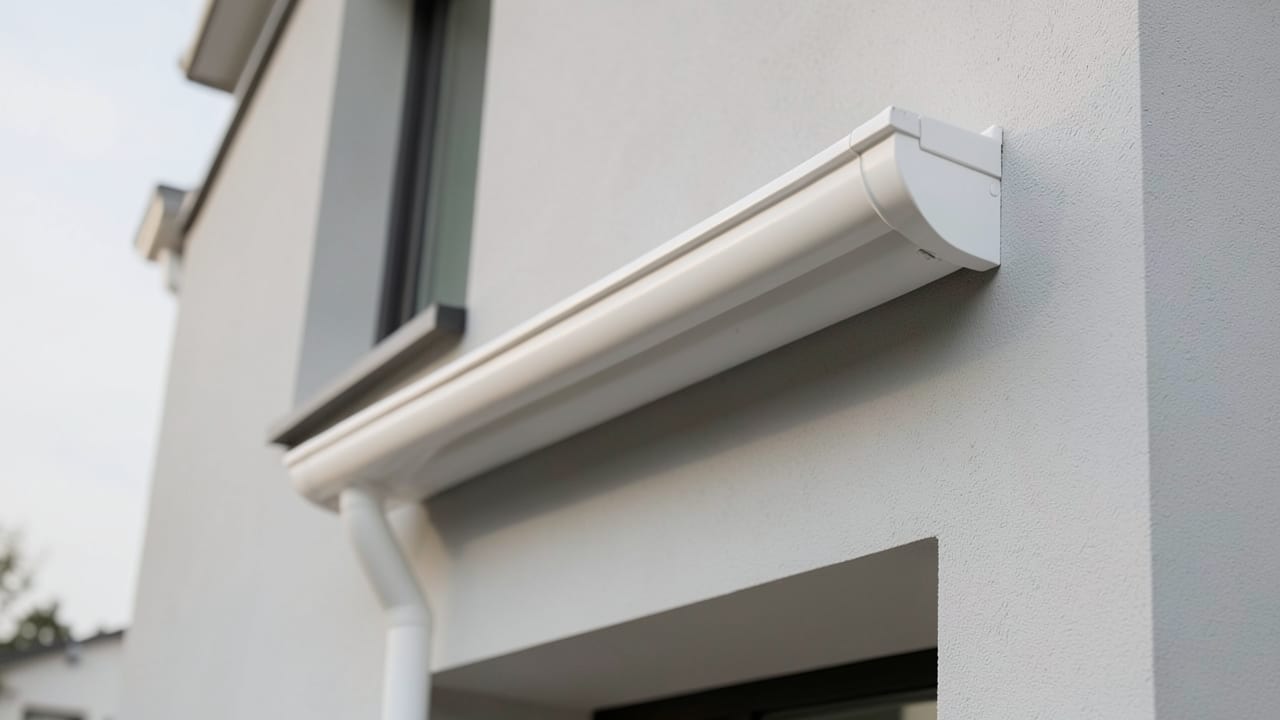
Gutter Cleaning in Johns Creek, GA
Gutter and downspout cleaning in Johns Creek, GA to clear leaf buildup and keep water flowing away from the foundation.
Learn More
Window Cleaning in Johns Creek, GA
Exterior window and window-frame cleaning in Johns Creek, GA, often bundled with a full house wash.
Learn More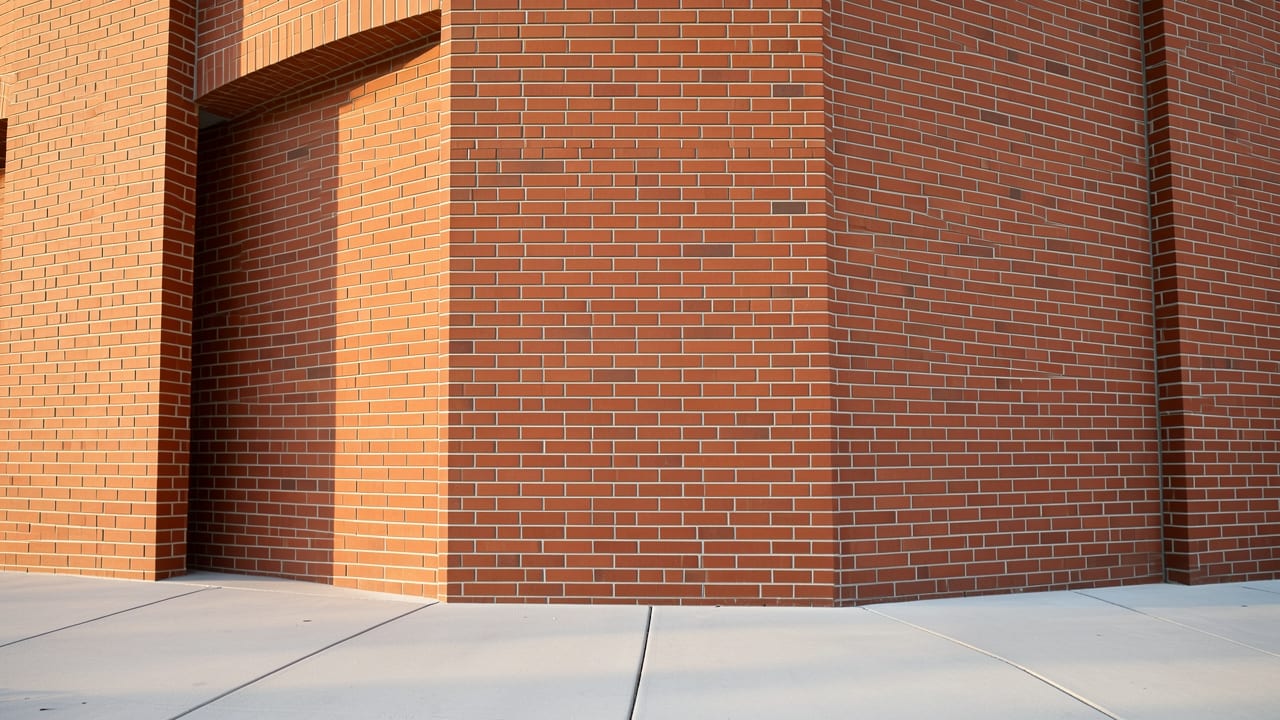
Commercial Pressure Washing in Johns Creek, GA
Pressure washing for storefronts, parking lots, and commercial properties in Johns Creek, GA.
Learn MoreCommon Questions About Pressure Washing in Johns Creek
Everything you need to know about pressure washing services in Johns Creek
How much does Chimney Exterior Cleaning typically cost in Johns Creek, GA?
Why does algae and mildew growth on homes in Johns Creek, GA come back so quickly?
Is renting a pressure washer and doing the job at home a reasonable option?
How long does washing a typical house exterior take?
Can pressure washing damage concrete, pavers, or mortar joints?
What are the actual named steps in a professional pressure washing job?
Need Pressure Washing in Johns Creek?
Get a written quote from our Johns Creek crew.
⏰ We answer your call • Serving all of Johns Creek and surrounding areas