How to Properly Dilute SH for Soft Washing in Johns Creek
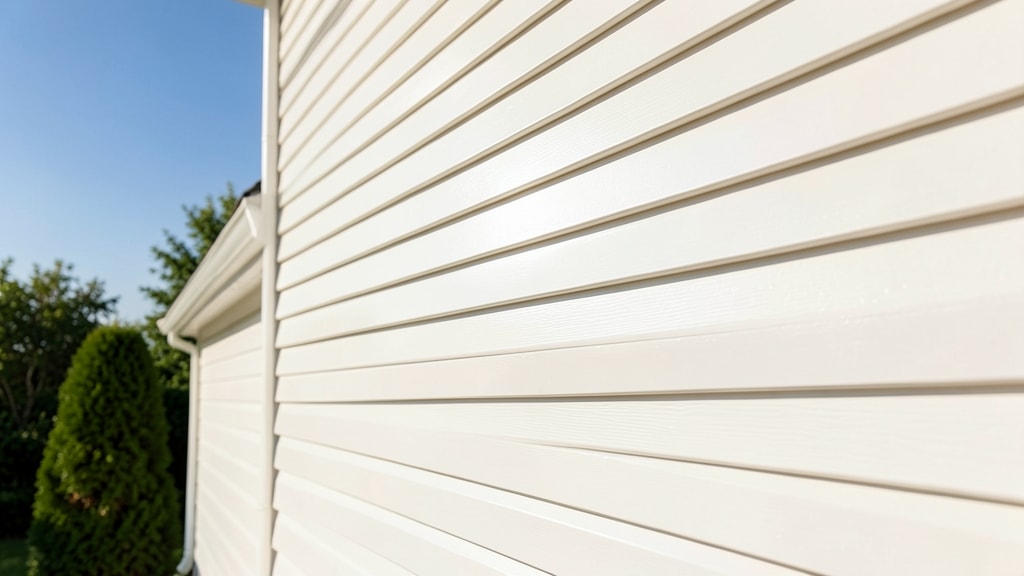
Diluting sodium hypochlorite (SH) correctly is the backbone of effective soft washing. Get it wrong, and you risk damaging surfaces or wasting product. Our team has refined this process for North Georgia’s humid climate, where algae and mold thrive on roofs and siding year-round.
Why SH Dilution Matters for Soft Washing
Soft washing relies on chemical action, not pressure, to kill organic growth. SH is the active ingredient, but improper dilution can bleach surfaces, harm plants, or fail to clean effectively.
In Johns Creek, high humidity and frequent rain accelerate regrowth. A precise mix ensures long-lasting results without the collateral damage of over-concentration.
Understanding SH Concentrations
Store-bought bleach is typically 5-6% SH, while commercial-grade SH (like 12.5%) is common for pros. The higher the concentration, the less water you’ll add—but accuracy is critical.
We source 12.5% SH for most jobs in Alpharetta and Roswell. It’s cost-effective and powerful enough to tackle heavy mold on vinyl siding or asphalt roofs.
| SH Strength | Common Source | Best For |
|---|---|---|
| 5-6% | Household bleach | Light duty (e.g., decks, fences) |
| 10% | Pool shock | Moderate growth on driveways, concrete |
| 12.5% | Commercial SH | Roofs, heavy mold/mildew on siding |
| 15%+ | Industrial-grade | Commercial properties, graffiti removal |
The Golden Ratio: SH to Water for Soft Washing
For 12.5% SH, a 1:10 ratio (1 part SH to 10 parts water) is our baseline for roofs and siding. This yields ~1.1-1.25% active solution—strong enough to kill spores but safe for most surfaces.
In cooler months, we might tweak to 1:8 for stubborn stains. In peak summer heat, 1:12 prevents premature evaporation and streaking.
Always pre-wet plants, soil, and surfaces with plain water. This prevents SH from absorbing too quickly and minimizes plant burn, especially in Duluth’s dense landscaping.
When to Adjust Your Mix
Heavy black streaks on asphalt roofs? Bump to 1:8. Delicate surfaces like painted wood or older vinyl? Drop to 1:15. Johns Creek’s mix of newer and historic homes demands this flexibility.
For commercial pressure washing in Peachtree Corners, we often use 1:10 for large-scale jobs but add a surfactant to improve dwell time on vertical surfaces.
Surfactants and Additives: The Secret Sauce
SH alone can bead up on waxy or dirty surfaces. Adding a surfactant (0.5-1% of total mix) helps the solution cling and penetrate. We use biodegradable options to protect local waterways.
For roof washing, a touch of trisodium phosphate (TSP) can boost cleaning power—but it’s not always needed in Cumming’s softer water.
Never mix SH with ammonia or vinegar. The chemical reaction releases toxic chlorine gas. Stick to water and approved additives only.
Dwell Time: Let the Chemistry Work
After applying, let the solution sit for 10-15 minutes. This dwell time allows SH to break down organic matter at the root. In shady areas (common in Johns Creek’s tree-lined neighborhoods), you might extend to 20 minutes.
Rinsing too soon wastes the effort. Use a low-pressure rinse—never exceed 500 PSI for soft washing—to avoid damaging surfaces.
Safety Gear You Can’t Skip
SH fumes are corrosive. Always wear a respirator with organic vapor cartridges, chemical-resistant gloves, and eye protection. Long sleeves and pants prevent skin contact.
In open areas like driveways in Alpharetta, wind can carry fumes. Position yourself upwind and work in sections to minimize exposure.
Essential Soft Wash Safety Gear
- Respirator with organic vapor cartridges
- Chemical-resistant gloves (nitrile or neoprene)
- Safety goggles or face shield
- Long-sleeve shirt and pants
- Closed-toe, non-slip shoes
Post-Wash Care and Maintenance
After rinsing, inspect for missed spots. Stubborn areas may need a second application. In Johns Creek, scheduling a follow-up in 6-12 months helps prevent regrowth.
For gutters and downspouts, a separate gutter cleaning service ensures debris doesn’t re-contaminate freshly cleaned roofs. We often bundle these for homes in Roswell.
North Georgia’s pollen season (spring/fall) can accelerate dirt buildup. A post-pollen soft wash keeps surfaces looking fresh longer.
How to Dilute SH for Soft Washing
Follow these steps to mix a safe, effective solution for your next soft wash job.
- 1Gather Supplies
You’ll need SH (12.5% recommended), water, a 5-gallon bucket, measuring cup, surfactant, and a mixing stick. Use distilled water if possible to avoid mineral interference.
- 2Measure SH
For a 1:10 ratio, add 16 oz (2 cups) of 12.5% SH to the bucket. For 1:8, use 20 oz (2.5 cups). Always add SH to water, not the other way around.
- 3Add Water
Fill the bucket with water to the 10-gallon mark (or 8-gallon for 1:8). Stir gently to avoid splashing. Add surfactant last (0.5-1% of total volume).
- 4Test the Mix
Spray a small, hidden area first. Check for discoloration or damage after 5 minutes. Adjust the ratio if needed before full application.
- 5Apply and Dwell
Use a low-pressure sprayer (200-300 PSI) to apply evenly. Let it sit for 10-20 minutes, then rinse thoroughly with low pressure.
Frequently Asked Questions
Can I use household bleach for soft washing in Johns Creek?
Yes, but it’s less efficient. Household bleach (5-6% SH) requires a stronger mix (e.g., 1:3) for the same effect, which increases the risk of damage. Pros prefer 12.5% SH for better results with less product.
How do I prevent SH from killing my plants?
Pre-wet plants and soil thoroughly before applying SH. Use a 1:15 ratio near landscaping, and rinse plants immediately after treatment. In Johns Creek, we often cover sensitive plants with tarps for extra protection.
What’s the difference between soft washing and pressure washing?
Pressure washing uses high PSI (2,000-4,000) to blast away dirt, which can damage delicate surfaces. Soft washing uses low pressure (under 500 PSI) and chemicals to kill organic growth at the source—ideal for roofs, siding, and decks.
Is soft washing safe for all roof types?
Mostly, but some materials need caution. Asphalt shingles, metal roofs, and tile handle soft washing well. Cedar shakes or older, brittle tiles may require gentler solutions or manual cleaning. Request a quote for a surface assessment.
How often should I soft wash my home in Johns Creek?
Every 12-18 months is typical, but it depends on exposure. Homes under heavy tree cover or in humid areas like Peachtree Corners may need it annually. Driveways and concrete might need more frequent attention due to vehicle traffic and pollen.
Can I soft wash my deck or fence?
Absolutely. Decks and fences benefit from soft washing to remove mold, mildew, and graying wood. Use a 1:10 or 1:12 ratio and a surfactant to help the solution penetrate wood grain. Always test a small area first.