Why Manual Scrubbing Falls Short for Exterior Cleaning in Johns Creek
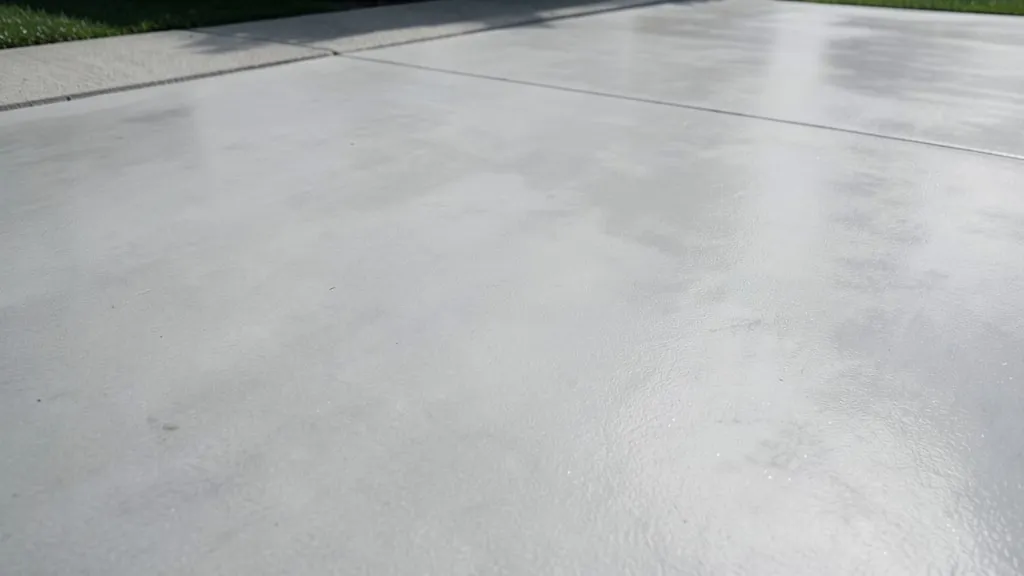
Homeowners in our area often reach for a scrub brush and elbow grease to tackle exterior grime. But manual scrubbing rarely delivers the deep, lasting clean Johns Creek homes need—especially with our humid summers and pollen-heavy springs. Pressure washing does more than save time; it protects surfaces and prevents damage scrubbing can cause.
The Limits of Elbow Grease on Stubborn Stains
Manual scrubbing struggles against embedded contaminants like mold, mildew, and hard water stains. These invaders penetrate porous surfaces—brick, stucco, or even vinyl siding—where a brush can’t reach.
Our climate accelerates growth cycles. A weekend of scrubbing might lighten stains, but without the right PSI and cleaning agents, they’ll return within weeks.
Surface Damage You Can’t See—Until It’s Too Late
Abrasive brushes and harsh chemicals can strip protective coatings from decks, fade paint, or etch concrete. Even soft-bristle scrubbing can wear down wood fibers over time.
Pressure washing, when calibrated correctly, lifts dirt without harming the substrate. We adjust PSI and nozzles for each material—whether it’s cedar in Alpharetta or stained concrete in Peachtree Corners.
Never use a wire brush on wood decks or a bleach-soaked sponge on colored surfaces. The damage often isn’t visible until months later.
Time vs. Results: The Hidden Cost of DIY
A full home scrub-down can take days, especially with multi-story houses common in Johns Creek. Even then, uneven cleaning leaves streaks and missed spots.
Our team cleans a typical 2,500 sq. ft. home in 2–4 hours with professional equipment. Surface cleaners and soft wash systems cover large areas faster—and more thoroughly—than any hand tool.
Why Pressure Washing Outperforms Scrubbing
Pressure washing combines water force (PSI) with flow rate (GPM) to dislodge contaminants at a microscopic level. Add specialized detergents, and you’re not just cleaning—you’re sanitizing surfaces.
Soft wash systems are ideal for delicate surfaces like roofs or aged wood. They use low pressure and high-volume detergents to kill algae and mold without damage.
The Right Tool for the Job: Pressure Washing Methods Compared
Not all pressure washing is the same. The method depends on the surface, the stain, and the environment. Here’s how we choose the best approach for Johns Creek homes.
| Surface | Recommended Method | Why It Works |
|---|---|---|
| Vinyl Siding | Soft Wash | Low pressure prevents warping; detergents kill mold/mildew at the root |
| Concrete Driveways | Hot Water Pressure Wash + Surface Cleaner | Hot water emulsifies oil and grease; surface cleaner covers 3x faster than a wand |
| Cedar Decks | Low-PSI Wash + Wood Brightener | Gentle on fibers; brightener restores natural color without sanding |
| Brick & Stucco | Medium-PSI Wash + pH-Balanced Detergent | Removes efflorescence and pollen without eroding mortar |
| Asphalt Roofs | Soft Wash Only | High pressure can dislodge granules; detergents prevent regrowth for years |
Safety and Efficiency: Two Reasons Pros Win
Manual scrubbing often means ladders, harsh chemicals, and repetitive motion. One misstep can lead to injury—or a damaged gutter system if you’re reaching for second-story siding.
Our equipment includes telescopic wands, lift systems, and fall-arrest gear for high areas. We also contain and dispose of runoff properly, protecting your landscaping and local waterways.
If you must scrub small areas, use a pump sprayer with a 1:10 bleach-water mix for mold. Rinse immediately to prevent streaking—but expect limited results.
Long-Term Protection, Not Just a Quick Fix
Scrubbing removes surface dirt but does nothing to prevent regrowth. Professional pressure washing often includes sealants or protective treatments for decks, driveways, and siding.
In Johns Creek, where pollen and humidity are constant, these treatments extend the time between cleanings. A sealed deck resists moisture, UV damage, and mold—saving you money over time.
When Scrubbing *Might* Make Sense
There are rare cases where manual cleaning is practical: small, non-porous areas like window frames or decorative stone. Even then, a pressure washer with a 25-degree nozzle often does the job faster.
For most exterior surfaces—especially large or textured ones—pressure washing is the only way to achieve uniform, lasting results without risking damage.
Signs Your Home Needs More Than Scrubbing
- Stains return within weeks of cleaning
- Visible mold or algae in shaded areas
- Chalky residue (efflorescence) on brick or concrete
- Faded or streaked siding
- Deck wood feels rough or splintery
How to Decide Between Scrubbing and Pressure Washing
Not sure which method is right for your project? Follow these steps to make the call.
- 1Assess the Surface
Delicate materials like old wood, asphalt shingles, or painted surfaces usually require low-pressure or soft wash methods. Hard surfaces like concrete can handle higher PSI.
- 2Identify the Stain Type
Organic stains (mold, algae, pollen) need detergents to kill spores. Mineral stains (rust, hard water) often require acid-based cleaners best applied with pressure washing.
- 3Consider the Scale
If the area is larger than 100 sq. ft. or multi-level, pressure washing will save time and effort. Small, isolated spots might be manageable with scrubbing.
- 4Evaluate Safety Risks
High or hard-to-reach areas (roofs, second stories) are dangerous for DIY scrubbing. Pressure washing from the ground with extension wands is safer and more effective.
- 5Think Long-Term
If you want results that last months—not weeks—pressure washing with protective treatments is the smarter investment. Request a quote to compare options.
Frequently Asked Questions
Can scrubbing damage my Johns Creek home’s exterior?
Yes. Abrasive tools can scratch vinyl siding, wear down wood decks, or strip paint. Even soft brushes can push contaminants deeper into porous surfaces like brick or stucco.
How often should I pressure wash my home instead of scrubbing?
Most homes in our area benefit from professional pressure washing every 12–24 months, depending on exposure. South-facing walls or homes near wooded areas (like parts of Roswell or Cumming) may need it annually.
Is pressure washing safe for older homes?
Absolutely—if done correctly. We use lower PSI and specialized nozzles for historic or fragile materials. Always hire a pro who understands older construction common in areas like Duluth.
What’s the difference between pressure washing and soft washing?
Pressure washing uses high PSI to blast away dirt, ideal for driveways and concrete. Soft washing uses low pressure and detergents to clean delicate surfaces like roofs or aged wood without damage.
Will pressure washing remove all stains the first time?
Most stains come off in one session, but severe cases—like years of neglected mold or oil stains on driveways—may require a second treatment. We’ll assess and advise during your quote.
Can I pressure wash my own home if I rent equipment?
Renting a pressure washer is risky without experience. Incorrect PSI or nozzle choice can etch concrete, strip paint, or damage siding. Plus, consumer-grade machines often lack the GPM for efficient cleaning.