How to Remove Hard Water Stains from Your Home with Soft Wash in Johns Creek
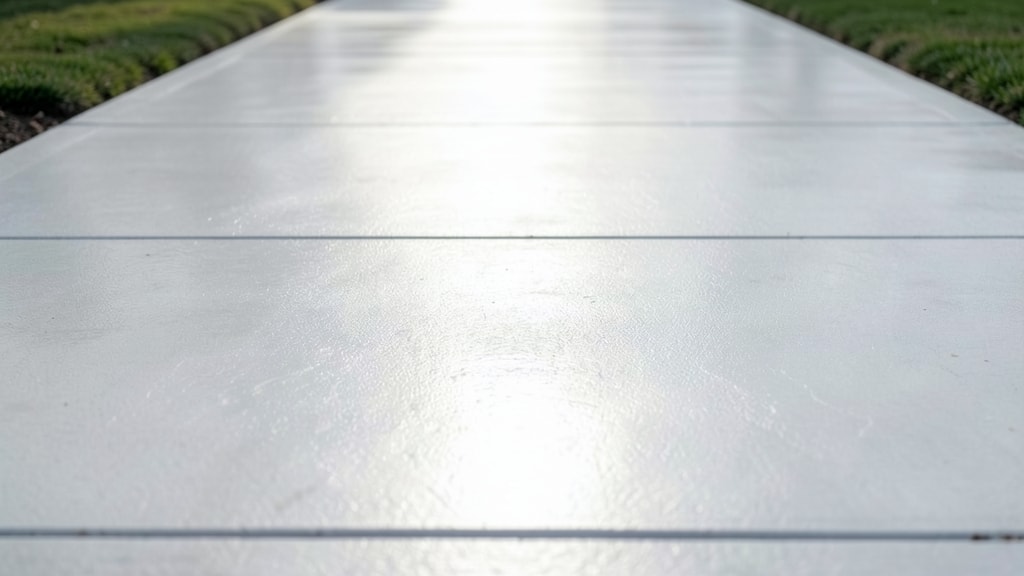
Hard water stains are a common frustration for homeowners in our area, leaving unsightly white or brown streaks on siding, driveways, and windows. Unlike surface dirt, these mineral deposits cling tightly and resist standard pressure washing. Our team uses soft wash techniques to dissolve and lift them without damaging your home’s exterior.
Why Hard Water Stains Plague Johns Creek Homes
Our local water supply is rich in minerals like calcium and magnesium, which dry into stubborn deposits on surfaces. These stains are especially noticeable on dark siding, brick, and concrete after a long, dry spell.
Humidity and seasonal temperature swings in North Georgia accelerate mineral buildup. Driveways in neighborhoods like Medlock Bridge or St. Ives often show heavy streaking where sprinklers or runoff evaporate.
Soft Wash vs. Pressure Washing for Mineral Stains
High-pressure washing can etch concrete or pit softer materials like vinyl siding when targeting hard water stains. Soft wash uses low PSI with specialized detergents to break down minerals at the source.
| Method | Pressure (PSI) | Best For | Risk of Damage |
|---|---|---|---|
| Soft Wash | 100-500 PSI | Vinyl siding, stucco, roofs, windows | Low |
| Pressure Washing | 1,500-4,000 PSI | Driveways, concrete, brick | High on soft surfaces |
| DIY Spray Bottle | N/A | Small glass areas | Ineffective on large deposits |
The Science Behind Soft Wash Detergents
We use biodegradable, pH-balanced solutions with chelating agents that bind to calcium and magnesium. These break the ionic bonds in mineral deposits, allowing them to rinse away without scrubbing.
Unlike bleach-based mixes, our detergents won’t discolor painted surfaces or harm nearby landscaping in Johns Creek’s clay-heavy soil.
While vinegar can dissolve light calcium spots on glass, it’s ineffective on large-scale exterior stains and can damage sealants on decks or driveways.
Surfaces Most Vulnerable to Hard Water Damage
Vinyl siding, especially in lighter colors, shows streaks quickly. Brick and stucco absorb minerals, leading to permanent discoloration if untreated.
Concrete driveways and walkways in areas like Peachtree Corners or Alpharetta often develop white efflorescence—another mineral-based stain that soft wash can address.
Check These Areas for Hidden Stains
- Under gutters where runoff pools
- Around outdoor faucets and hose bibs
- On north-facing walls with less sun exposure
- Windows and glass doors after sprinkler overspray
DIY Pitfalls: Why Store-Bought Cleaners Fall Short
Retail cleaners often lack the concentration to tackle Georgia’s hard water. Many contain acids that can corrode aluminum gutters or strip paint if left too long.
Renting a pressure washer without proper training risks etching concrete or blowing out mortar between bricks—costly mistakes we see often in Roswell and Duluth.
Combining these common DIY ingredients releases toxic fumes. Professionals use stabilized, separated solutions for safety and effectiveness.
How Often Should You Treat Hard Water Stains?
Homes with well water or heavy sprinkler use may need soft wash treatments every 6–12 months. In most Johns Creek neighborhoods, an annual cleaning prevents buildup from becoming permanent.
After treatment, we recommend sealing porous surfaces like driveways to slow future mineral absorption. This is especially useful in high-traffic areas like Cumming or near Lake Lanier.
Complementary Services to Restore Your Home’s Curb Appeal
Soft wash pairs well with gutter cleaning to prevent stained runoff from re-soiling siding. We often bundle this with window cleaning for a streak-free finish.
For complete exterior rejuvenation, consider adding driveway cleaning or deck restoration. These services address different stains but share the same soft wash principles for safety.
How to Prep Your Home for Professional Soft Wash
A little prep ensures great results and protects your property during treatment.
- 1Clear the Work Area
Move outdoor furniture, potted plants, and vehicles away from the house. Cover electrical outlets and light fixtures with plastic sheeting.
- 2Close Windows and Doors
Seal all openings to prevent detergent overspray from entering your home. Check that screens are secure to avoid damage.
- 3Water Sensitive Plants
Lightly water shrubs and grass near the treatment zone. This dilutes any accidental detergent contact and prevents burning.
- 4Identify Problem Areas
Point out heavy stains or delicate surfaces to our team during the walkthrough. Note any previous damage or repairs.
- 5Plan for Drying Time
Avoid using sprinklers or hoses for 24 hours after treatment. This allows detergents to work fully and surfaces to dry evenly.
Frequently Asked Questions
Can hard water stains return after soft wash?
Yes, but regular maintenance slows their return. Our treatments remove existing deposits, but new minerals from water exposure will eventually reappear. Annual cleanings keep them at bay.
Is soft wash safe for my Johns Creek home’s paint?
Absolutely. We use low pressure and pH-neutral detergents that won’t strip or dull paint. In fact, removing stains can extend your paint’s lifespan by preventing mineral buildup that traps moisture.
Why do my windows still have spots after cleaning?
Those are likely mineral deposits left by evaporated water. Our window cleaning service includes a soft wash step to dissolve these, followed by a spot-free rinse with deionized water.
Can you remove hard water stains from my roof?
Yes, but we use a specialized soft wash roof cleaning method. High pressure can damage shingles, so we apply detergents from a ladder or lift, then rinse gently to avoid granule loss.
Do you service neighborhoods near Johns Creek like Alpharetta or Roswell?
We serve all of Johns Creek and surrounding areas, including Alpharetta, Roswell, Duluth, and Peachtree Corners. Travel time is factored into your quote.
What’s the difference between hard water stains and efflorescence?
Hard water stains are surface deposits from mineral-rich water. Efflorescence is a white, powdery residue caused by water moving through concrete or brick, leaving salts behind. Both require soft wash but may need different detergents.