How to Choose the Right Pressure Washing Schedule for Your Johns Creek Business
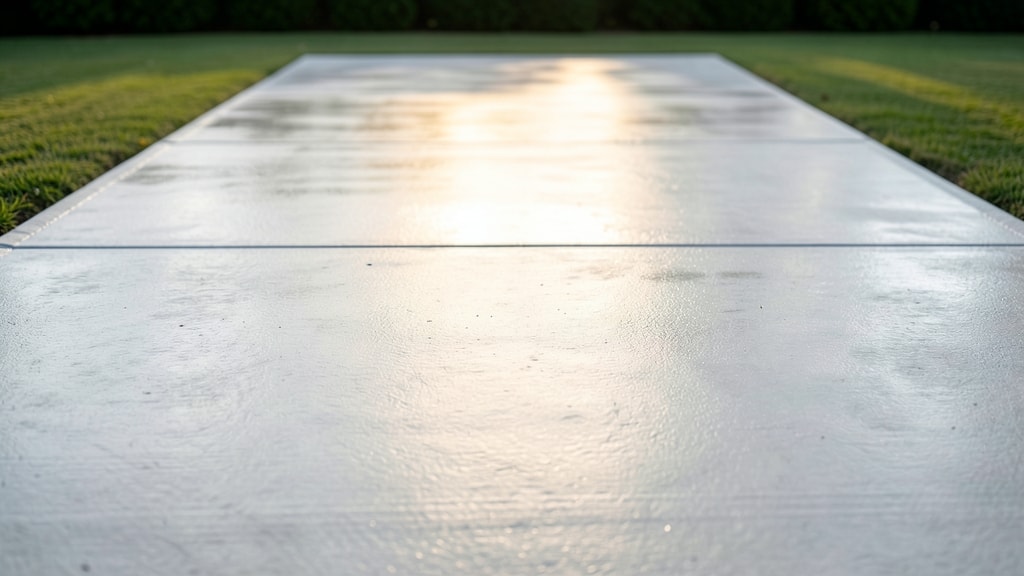
A consistent pressure washing schedule keeps your commercial property looking sharp, but it also protects your investment. In our humid Georgia climate, grime, pollen, and algae build up fast—so timing matters just as much as technique. We’ll help you map out a plan that fits Johns Creek’s seasons and your business needs.
Why a Pressure Washing Schedule Matters for Commercial Properties
Regular cleaning prevents long-term damage from mold, mildew, and algae—common culprits in our area’s warm, moist air. These contaminants don’t just look bad; they degrade surfaces like concrete, brick, and siding over time.
A clean exterior also reinforces your brand. Customers and clients notice well-maintained storefronts, sidewalks, and parking areas. It signals professionalism and care, which builds trust before they even step inside.
For businesses in high-traffic zones near Alpharetta or Roswell, dirt and grime accumulate faster. A proactive schedule ensures you’re not playing catch-up with deep stains or safety hazards like slippery walkways.
Key Factors That Influence Your Cleaning Frequency
Foot traffic is the biggest variable. Retail stores, restaurants, and medical offices often need monthly or quarterly cleaning, while warehouses or office parks may stretch to bi-annual service.
Local climate plays a role, too. Johns Creek’s humid summers and pollen-heavy springs demand more frequent attention. Fall brings leaf debris, and winter can leave salt and grime from road treatments.
Surface type matters. Soft materials like wood decks or vinyl siding require gentler, more frequent soft washing. Harder surfaces like concrete or brick can handle higher PSI but still need regular maintenance to avoid permanent staining.
| Business Type | Surface | Recommended Frequency |
|---|---|---|
| Retail/Storefronts | Sidewalks & Entryways | Monthly to Quarterly |
| Restaurants | Patios & Drive-Thru Lanes | Monthly |
| Office Parks | Building Exteriors & Parking Lots | Quarterly to Bi-Annually |
| Medical Facilities | Walkways & Facades | Quarterly |
| Industrial/Warehouses | Loading Docks & Concrete | Bi-Annually |
| HOAs/Complexes | Common Areas & Pool Decks | Quarterly |
Seasonal Considerations for Johns Creek Businesses
Spring is pollen season. A thorough soft wash in early spring removes the yellow film that coats everything, while a follow-up in late spring tackles mold spores before they take hold.
Summer’s heat and humidity accelerate algae and mildew growth on roofs, decks, and north-facing walls. A mid-summer clean keeps these areas looking fresh and prevents slippery surfaces.
Fall’s falling leaves and debris clog gutters and stain driveways. A pre-winter pressure wash removes organic buildup and prepares surfaces for colder months. Don’t forget gutter cleaning to prevent ice dams or water damage.
Winter is quieter, but salt and grime from road treatments can etch concrete. A post-winter wash in early spring restores curb appeal and protects your surfaces.
Schedule your spring pressure washing after the peak pollen drop—usually late April in Johns Creek. This timing ensures you’re not washing away new pollen the very next week.
Signs Your Business Needs Pressure Washing—Now
Visible dark streaks or greenish-black stains on roofs or siding often mean algae or mold. These aren’t just eyesores; they can compromise structural integrity if left unchecked.
Slippery walkways or dark patches on concrete are red flags. In commercial spaces, this isn’t just a cleaning issue—it’s a liability risk. Pressure washing restores traction and safety.
Fading or discolored signage and awnings hurt your brand’s first impression. A professional clean can restore vibrancy without the cost of replacements.
Lingering odors near dumpsters or loading areas often stem from bacteria and grime. High-pressure cleaning with the right detergents eliminates these issues at the source.
Using the wrong PSI or nozzle can etch concrete, strip paint, or damage soft surfaces like wood. Commercial-grade equipment in untrained hands often leads to costly repairs.
Commercial Surfaces That Need Regular Attention
Storefronts and facades are your business’s face to the world. Regular soft washing removes dirt and pollutants while protecting paint and finishes.
Parking lots and driveways take a beating from vehicles, foot traffic, and weather. Pressure washing removes oil stains, tire marks, and grime that degrade the surface over time.
Sidewalks and ADA-compliant ramps must stay clean and safe. Algae and moss can create slip hazards, especially in shaded areas common in Johns Creek’s tree-lined commercial zones.
Dumpster pads and loading docks are often overlooked but critical. These areas harbor bacteria, odors, and pests if not cleaned regularly with hot water pressure washing.
Fleet vehicles and company signage benefit from periodic washing, too. A clean fleet enhances your mobile branding, while signage stays legible and professional.
Pressure Washing vs. Soft Washing: What’s Right for Your Property?
Pressure washing uses high PSI (2,000–4,000) to blast away tough stains from hard surfaces like concrete, brick, and metal. It’s ideal for driveways, parking lots, and graffiti removal.
Soft washing uses lower pressure (500–1,000 PSI) with specialized detergents to clean delicate surfaces. It’s the go-to for roofs, vinyl siding, decks, and painted surfaces where high pressure could cause damage.
In Johns Creek, soft washing is often the better choice for roofs and facades due to our humidity and pollen. Pressure washing shines for heavy-duty areas like loading docks or warehouse floors.
When to Choose Soft Washing
- Roofs (asphalt, tile, or metal)
- Vinyl, stucco, or wood siding
- Decks, fences, and outdoor furniture
- Painted or stained surfaces
- Delicate landscaping nearby
How to Extend the Results of Your Pressure Washing
Sealing concrete or pavers after cleaning adds a protective layer that repels stains and extends the time between washes. This is especially useful for high-traffic areas like driveways and parking lots.
Regular sweeping and spot cleaning between professional services prevent buildup. For businesses, this might mean daily or weekly maintenance for entryways and sidewalks.
Trimming back trees and shrubs reduces shade and moisture retention, which slows the growth of mold and algae. This simple landscaping step can cut your cleaning frequency in half.
Using the right cleaners for specific stains (e.g., oil, rust, or organic growth) ensures a deeper clean that lasts longer. Our team always matches the detergent to the job.
How to Create a Pressure Washing Schedule for Your Business
Follow these steps to build a tailored plan that keeps your property in top shape year-round.
- 1Assess Your Property
Walk your entire property and note high-traffic areas, visible stains, and surfaces that show wear. Pay special attention to entryways, parking areas, and any shaded or damp spots.
- 2Prioritize by Need
Rank areas by urgency. Safety-critical zones like walkways and ADA ramps come first, followed by high-visibility areas like storefronts and signage.
- 3Match Frequency to Surface and Use
Use the table above to align cleaning frequency with your business type and surface materials. Adjust for local conditions—e.g., more frequent cleaning if you’re near a busy road or wooded area.
- 4Seasonal Adjustments
Plan for seasonal deep cleans, especially after pollen season and before winter. Add a mid-summer wash if your property is prone to algae or mildew.
- 5Schedule Professional Services
Contact a local expert to handle the work. Request a quote and discuss a recurring schedule to lock in priority slots, especially during peak seasons.
- 6Maintain Between Visits
Implement a basic maintenance routine, like sweeping sidewalks daily or spot-cleaning spills immediately. This extends the life of your professional cleaning.
Frequently Asked Questions
How often should I pressure wash my restaurant’s patio in Johns Creek?
For restaurants, we recommend monthly pressure washing for patios and drive-thru lanes due to grease, food spills, and high foot traffic. In pollen-heavy seasons, you might need a mid-month touch-up to keep surfaces safe and inviting.
Is pressure washing safe for my brick storefront?
Yes, but it requires the right technique. Brick is durable but can be damaged by excessive PSI or incorrect nozzles. Soft washing with a low-pressure setting and brick-safe detergents is often the best approach to avoid etching or mortar damage.
Can pressure washing remove oil stains from my parking lot?
Absolutely. Hot water pressure washing with a degreaser is highly effective for oil, grease, and tire marks. For stubborn stains, we may pre-treat the area before washing to break down the contaminants thoroughly.
What’s the difference between pressure washing and power washing?
Pressure washing uses cold water, while power washing uses heated water. The heat in power washing helps dissolve tough grime, oil, and organic matter more effectively, making it ideal for heavy-duty cleaning like fleet vehicles or industrial areas.
Do I need to wash my business’s roof, and how often?
Yes, especially in humid climates like ours. Roofs should be soft washed every 1–2 years to remove algae, moss, and lichen, which can damage shingles and reduce your roof’s lifespan. More frequent cleaning may be needed if your building is surrounded by trees.
How do I know if my pressure washing company is using the right methods?
A reputable company will assess your surfaces and recommend the appropriate PSI, detergents, and techniques. They’ll also use soft washing for delicate areas and pressure washing for tougher surfaces. Always ask for their approach upfront—experience with local conditions in Johns Creek, Alpharetta, or Roswell is a plus.