Chemical Cleaners vs. Pressure Washing: Which Is the Greener Choice in Johns Creek?
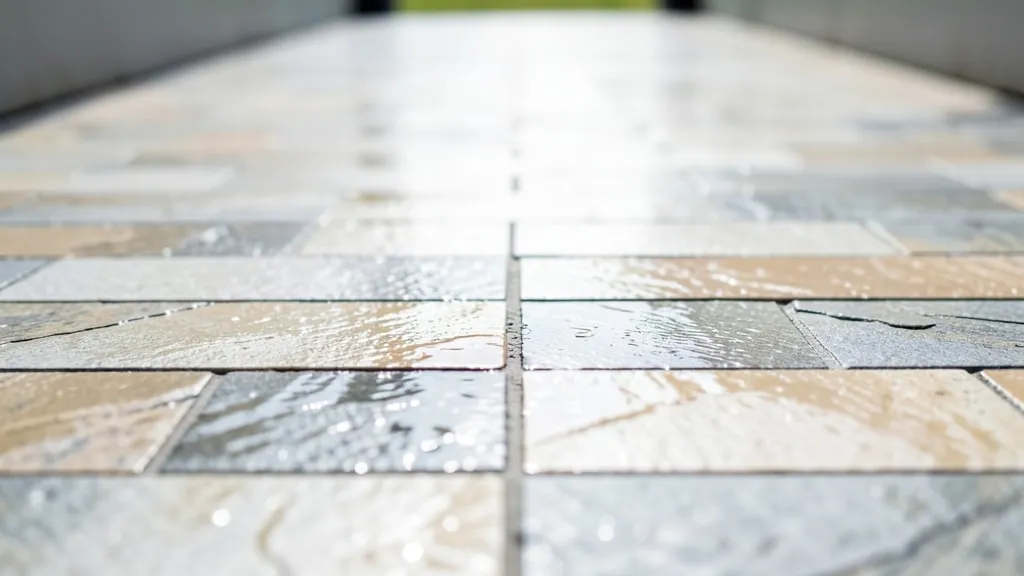
Homeowners in our area often ask: are chemical cleaners or pressure washing the greener option? The answer depends on the surface, the stains, and how the job is done. We break down the environmental impact, safety, and effectiveness so you can choose wisely for your property and our local ecosystem.
Why the Debate Matters for Local Properties
Johns Creek’s humid subtropical climate accelerates mold, mildew, and algae growth on siding, decks, and driveways. Left untreated, these contaminants degrade surfaces faster and can even affect indoor air quality.
Traditional chemical cleaners often contain harsh ingredients like sodium hypochlorite or phosphates. While effective, improper use can harm plants, pets, and nearby waterways like the Chattahoochee River basin.
How Pressure Washing Stacks Up for Eco-Friendliness
Pure pressure washing—using only water—eliminates chemical runoff entirely. High PSI and GPM settings can blast away dirt, grime, and loose organic growth without detergents.
However, pressure alone often isn’t enough for stubborn stains like oil on driveways in Alpharetta or black streaks on Roswell roofs. That’s where technique and equipment (like soft wash systems) make the difference.
For large jobs, we use water reclamation systems to capture and filter runoff. This prevents contaminants from entering storm drains, especially critical in neighborhoods near local creeks.
The Role of Chemicals in Pressure Washing
Even ‘pressure washing’ often involves detergents or sanitizers. Soft wash systems, for example, use low-pressure sprays with biodegradable cleaners to safely remove algae and mold from roofs or delicate surfaces like cedar fences.
The key is choosing EPA-approved, plant-safe solutions and applying them precisely. In Cumming or Duluth, where homes sit on larger lots, buffer zones around landscaping are a must.
Chemical Cleaners: When They’re the Only Option
Some stains—like rust, hard water deposits, or deep-seated oil in Peachtree Corners parking lots—require specialized cleaners. Acid-based solutions can dissolve mineral buildup, but they demand careful handling to avoid surface etching or environmental harm.
For decks and fences, oxalic acid brightens grayed wood without the harshness of bleach. Yet, even ‘green’ chemicals need proper dilution and rinsing to protect soil and plants.
| Cleaner Type | Eco-Friendly? | Best For | Caution |
|---|---|---|---|
| Biodegradable Detergents | Yes | House Washing, Driveway Cleaning | Avoid over-application; rinse thoroughly |
| Sodium Hypochlorite (Bleach) | No | Mold/Mildew Removal | Toxic to plants; requires containment |
| Oxalic Acid | Moderate | Rust, Hard Water Stains | Neutralize after use; avoid runoff |
| Phosphate-Free Soaps | Yes | General Cleaning | Safe for most surfaces if rinsed |
| Citric Acid | Yes | Mineral Deposits | Low toxicity; ideal for delicate surfaces |
Pressure Washing’s Hidden Environmental Costs
High-pressure systems can waste water if not calibrated correctly. A typical unit uses 2–8 gallons per minute. Over an hour, that’s 120–480 gallons—significant in drought-prone Georgia summers.
Noise pollution and fuel emissions from gas-powered units also factor in. Electric pressure washers reduce this, but may lack the power for commercial jobs in areas like Roswell’s busy retail strips.
Using too much PSI can damage surfaces, leading to costly repairs—and wasted resources. Always match the pressure to the material, whether it’s vinyl siding or stamped concrete.
Local Conditions That Influence the Choice
Johns Creek’s clay-heavy soil retains water, which can dilute chemicals before they’re fully effective. This sometimes necessitates stronger (but controlled) applications for driveways or patios.
Nearby areas like Alpharetta see more pollen, which sticks to surfaces and may require a combination of pressure and mild detergents. Soft wash is ideal here to avoid damaging paint or sealants.
What About Commercial Properties?
For storefronts in Peachtree Corners or office parks in Duluth, pressure washing is often the most efficient way to maintain curb appeal. But large-scale jobs demand water reclamation and cleaners that meet local regulations.
Graffiti removal, for instance, often requires solvents. We use water-based, low-VOC options and contain all runoff to protect adjacent businesses and green spaces.
Eco-Conscious Commercial Cleaning Checklist
- Use water reclamation systems for jobs over 500 sq ft
- Opt for biodegradable, low-VOC cleaners
- Schedule during cooler hours to reduce evaporation waste
- Inspect and maintain equipment to prevent leaks or inefficiencies
- Train crews on proper dilution and application rates
How to Choose the Greenest Cleaning Method for Your Property
Start by identifying the surface and the stain, then match the method to minimize environmental impact.
- 1Assess the Surface
Delicate materials like wood decks or old paint need low-pressure or soft wash. Concrete and brick can handle higher PSI.
- 2Identify the Stain
Organic growth (mold, algae) often responds to soft wash with biodegradable cleaners. Mineral stains may need acid-based solutions—but only if contained.
- 3Check Local Regulations
Johns Creek and nearby areas may have rules on chemical use, especially near waterways. Always verify before starting.
- 4Prioritize Water Efficiency
Use a pressure washer with adjustable PSI/GPM. For large areas, consider a professional with reclamation equipment.
- 5Test a Small Area
Apply your chosen method to an inconspicuous spot to ensure it’s effective and safe for the surface and surrounding plants.
Frequently Asked Questions
Is pressure washing without chemicals effective for Johns Creek homes?
For light dirt and loose debris, yes. But our humid climate means organic growth often requires a sanitizer. We use eco-friendly options that break down safely after rinsing.
Can chemical cleaners damage my landscaping?
Absolutely. Harsh chemicals like bleach can kill plants and grass. We use plant-safe buffers and rinse thoroughly to prevent harm, especially in densely landscaped neighborhoods.
What’s the most eco-friendly way to clean a driveway in Alpharetta?
Hot water pressure washing with a biodegradable degreaser is highly effective for oil and tire marks. For sealed driveways, a soft wash with a mild detergent minimizes water use and runoff.
Are there any chemical cleaners that are safe for the environment?
Yes—look for biodegradable, phosphate-free, and plant-based cleaners. We often use citric acid or sodium percarbonate for tough stains, as they break down into harmless compounds.
How often should I pressure wash my home to maintain eco-friendliness?
In our climate, once a year is typical for house washing. Driveways and decks may need it twice yearly. Regular maintenance reduces the need for harsh chemicals over time.
Do you offer water reclamation for residential jobs in Johns Creek?
For larger residential properties or sensitive areas near waterways, we bring reclamation systems to capture and filter runoff. Request a quote to see if your job qualifies.