The Truth About Bleach and Mold Removal on Exterior Walls in Johns Creek
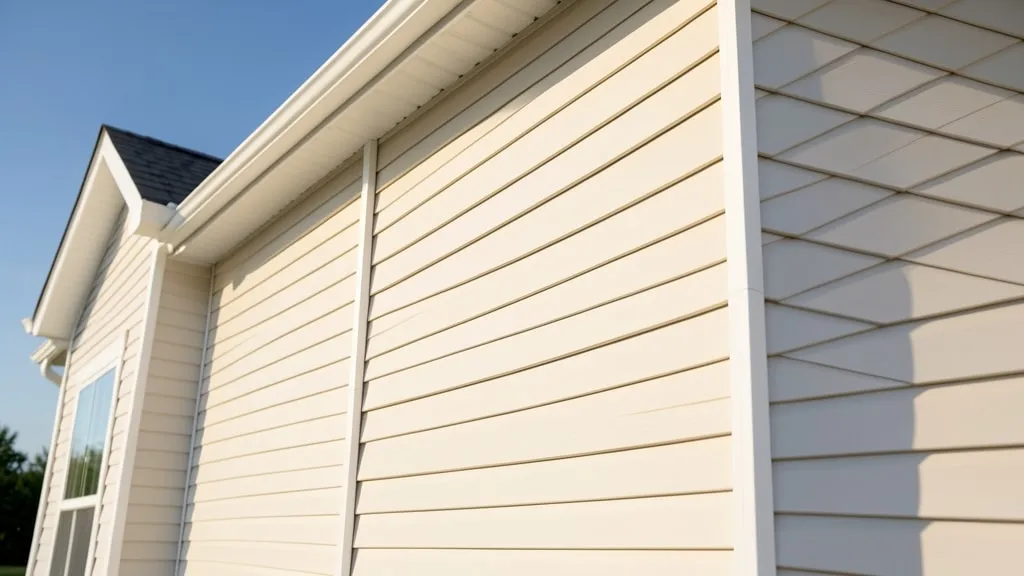
Homeowners in our area often reach for bleach to tackle mold on exterior walls, but it’s a short-term fix with long-term risks. We’ve seen firsthand how the right pressure washing techniques—not harsh chemicals—deliver safer, deeper cleanliness that lasts through Johns Creek’s humid summers and damp falls.
Why Bleach Fails for Mold on Exterior Surfaces
Bleach kills surface mold spores on contact, but it doesn’t penetrate porous materials like brick, stucco, or wood. The roots of mold colonies often survive, leading to rapid regrowth—sometimes within weeks.
Sodium hypochlorite (household bleach) also accelerates oxidation on painted surfaces and can degrade sealants, leaving walls more vulnerable to future mold and mildew. Over time, repeated use weakens the substrate itself.
In our climate, high humidity and frequent rain mean mold thrives. Bleach rinses away quickly, offering no residual protection against the spores that float back from nearby trees or neighbors’ properties.
Bleach can discolor or pit aluminum gutters, corrode fasteners, and harm landscaping if not rinsed immediately. It’s also ineffective on dirt, pollen, and algae—common companions to mold on Johns Creek homes.
How Professional Pressure Washing Beats Bleach Every Time
We use a soft wash system tailored to your siding material—vinyl, brick, or stucco—to lift mold at its root without damaging the surface. Unlike bleach, our detergents are designed to dwell, breaking down organic growth and preventing immediate regrowth.
Downstream injection ensures even chemical distribution at low pressure (typically under 1,000 PSI), which is critical for delicate surfaces. This method cleans without the risk of etching or stripping paint that high-pressure blasting can cause.
For tougher cases, we combine biodegradable detergents with quaternary ammonium compounds (quats) that provide residual protection. This is especially effective in neighborhoods near Chattahoochee River corridors, where moisture levels stay high.
Bleach vs. Soft Wash: A Side-by-Side Comparison
Not all cleaning methods are equal. The table below breaks down why soft wash pressure washing outperforms bleach for exterior wall mold removal in the long run.
| Factor | Bleach | Soft Wash Pressure Washing |
|---|---|---|
| Penetration | Surface-level only | Deep into porous materials |
| Residual Effect | None; regrowth in 1-4 weeks | Weeks to months of protection |
| Surface Safety | Risk of discoloration, corrosion, sealant damage | Gentle on paint, siding, and landscaping |
| Effectiveness on Algae/Pollen | Minimal | High (removes all organic stains) |
| Environmental Impact | Harsh; can harm plants and soil | Biodegradable options available |
| Long-Term Cost | Frequent reapplication needed | Longer intervals between cleanings |
The Role of Pressure Washing Equipment in Mold Removal
PSI and GPM matter, but technique matters more. We use surface cleaners with rotating nozzles to cover large areas evenly, preventing streaks on vinyl siding common in Alpharetta and Roswell homes.
For two-story homes, we rely on extendable wands and careful angle control to avoid driving water behind siding—a mistake DIY rentals often make. Improper pressure can force mold spores deeper into walls, worsening the problem.
Our trucks carry multiple nozzle tips (0° to 40°) to adjust for each material. A 25° tip might work for concrete driveways in Peachtree Corners, but we’d never use it on cedar shake siding in Johns Creek.
For heavy mold on north-facing walls (common in shaded Duluth neighborhoods), we pre-treat with a specialized detergent before rinsing. This loosens the growth so the pressure wash can remove it completely.
When to Call a Pro vs. DIY Pressure Washing
DIY pressure washers (even electric models) can work for small patios or driveways, but exterior walls require precision. Without the right detergents and technique, you risk stripping paint or leaving mold behind.
If your home has lead paint (pre-1978), only trained pros should handle the cleaning. We follow EPA guidelines to contain debris and protect your family and neighbors.
Commercial properties in Cumming or multi-story homes in Johns Creek almost always need professional equipment. Safety, efficiency, and liability make it a no-brainer.
Signs You Need a Professional Pressure Wash
- Mold or mildew covers more than 10% of a wall
- You see streaks or discoloration after DIY cleaning
- Your siding is brick, stucco, or wood (high-risk for damage)
- You’re preparing to repaint or reseal exterior surfaces
- The growth returns within a few weeks of cleaning
Preventing Mold Regrowth After Pressure Washing
The key to long-term results is reducing moisture. We recommend trimming back shrubs and trees to improve airflow, especially on north and east walls that stay damp longer in our mornings.
Applying a mold-resistant sealant after cleaning can add years of protection. For wood decks and fences, we often pair pressure washing with a fresh stain or sealant to lock out moisture.
Regular gutter cleaning prevents overflow that soaks siding—a common issue we see in homes near Johns Creek’s older neighborhoods. Clogged gutters are a top cause of recurring mold.
Local Conditions That Worsen Mold in Johns Creek
Our humid subtropical climate is a mold paradise. Summer heat and frequent rain create the perfect storm for spores to multiply on exterior surfaces, especially shaded areas.
Hard water in the area leaves mineral deposits that trap dirt and organic matter, giving mold a foothold. That’s why we often include a water softener in our cleaning process for homes in Roswell and Alpharetta.
Pollen season (spring and fall) coats surfaces with a sticky film that mold loves to feed on. A thorough pressure wash before pollen peaks can save you headaches later.
How to Prep Your Home for Professional Mold Removal
A little prep work ensures we can clean your exterior walls safely and thoroughly.
- 1Clear the Perimeter
Move outdoor furniture, potted plants, and decorations at least 6 feet from the house. This gives us room to work and protects your items from overspray.
- 2Close Windows and Doors
Seal all openings to prevent water and detergents from entering your home. Check that screens are secure and in good condition.
- 3Cover Electrical Outlets
Use plastic sheeting or outlet covers to protect exterior electrical components. We’ll avoid direct spray, but this adds an extra layer of safety.
- 4Trim Back Vegetation
Cut back bushes, ivy, or tree branches touching the house. This improves access and airflow, reducing future mold risks.
- 5Point Out Problem Areas
Walk the exterior with us to highlight stubborn mold, peeling paint, or damaged siding. This helps us tailor the cleaning approach.
- 6Secure Pets and Kids
Keep pets indoors and children away from the work area during and for a few hours after cleaning. Our detergents are safe once dry, but wet surfaces can be slippery.
Frequently Asked Questions
Can bleach damage my Johns Creek home’s vinyl siding?
Yes. Bleach can cause vinyl to become brittle over time and fade colors. Soft wash detergents are formulated to clean without harming siding materials.
How long does it take for mold to return after pressure washing?
Without preventive measures, mold can start regrowing in as little as 2–4 weeks, especially in shaded, damp areas. Our soft wash treatments typically provide 6–12 months of protection, depending on local conditions.
Is pressure washing safe for my brick home in Alpharetta?
Absolutely—if done correctly. We use low-pressure techniques and specialized nozzles for brick to avoid eroding the mortar or pitting the surface. High pressure can cause irreversible damage.
Why do I see mold returning faster on the north side of my house?
North-facing walls receive less direct sunlight, staying damp longer after rain or dew. This creates ideal conditions for mold and algae. Regular cleaning and improving airflow (e.g., trimming vegetation) can help.
Can you remove mold from my roof without damaging the shingles?
We use a soft wash system for roofs, applying detergents at low pressure to kill mold and algae without dislodging granules or damaging shingles.
Do you offer mold removal for commercial buildings in Peachtree Corners?
Yes. We provide commercial pressure washing services, including mold and mildew removal for storefronts, office buildings, and warehouses. Our equipment and techniques scale to handle larger structures efficiently.